

From Walls to Works of Art: How to Choose the Perfect Wall Mural for Your Interior Design Style
February 27, 2026
Color Psychology: How to Pair Benjamin Moore Paints with Luxury Wallpaper
February 27, 2026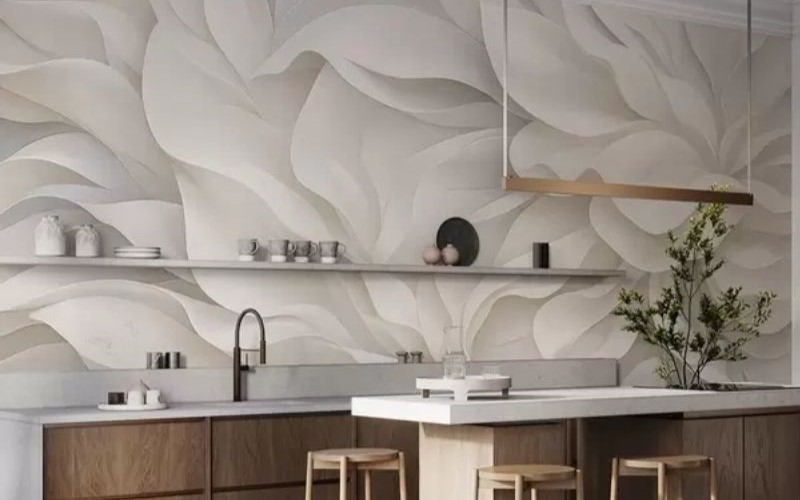
For decades, the golden rule of interior design was: "Never put wallpaper in wet areas." This fear stemmed from the pulp-based papers of the mid-20th century that would bubble, peel, and harbor mold at the first sign of steam. Today, material science has turned the bathroom, specifically the powder room and the master bath, into a playground for high-end wallcoverings.
The Great Myth: "Humidity is the Enemy"
The truth is that humidity isn't the problem; the wrong substrate is. If you apply a traditional, porous paper in a bathroom with a shower, it will fail. However, a luxury Vinyl-Coated or Solid Vinyl wallcovering is essentially a decorative shield.
Material Breakdown: What to Buy for Where
To ensure longevity, you must match the material to the "Splash Zone":
- The Powder Room (Half-Bath): Since there is no shower or tub, the humidity levels are standard. Here, you can use almost any high-end material, including Grasscloth or Flock wallpaper, to create a "jewel box" effect for guests.
- The Full Bathroom (Master Suite): You need Non-Woven (TNT) bases. These are synthetic-natural hybrids that do not expand or contract when the temperature changes. Most importantly, they are breathable, which prevents moisture from being trapped behind the wall, the leading cause of mold.
- The Kitchen (The Splash Zone): Here, grease and heat are the factors. Solid Vinyl is the only answer. It is non-porous and "scrubbable," meaning you can literally use a damp cloth with mild soap to clean it without damaging the art.
The Pro’s Secret: It’s All in the Prep
In a bathroom, the installation process is 70% preparation and 30% hanging. To guarantee your wallpaper lasts 10+ years in a humid environment:
- Anti-Fungal Primer: Before hanging, the wall must be sealed with a specialized primer that contains "mildewcides." This creates a sterile barrier between the drywall and the paper.
- Heavy-Duty Adhesive: Use a "Clear" or "Clay-based" adhesive with low water content to ensure the bond is immediate and permanent.
- The Varnish Trick: For extra security in areas near a sink, some designers apply a thin coat of dead-flat decorators' varnish over the seams. It is invisible but provides a waterproof seal that prevents edges from curling.
Why Wallpaper Beats Tile in Luxury Renovation
While tile is functional, it can feel cold and clinical. Wallpaper adds acoustic warmth (it absorbs sound better than hard surfaces) and a level of intricate detail that is impossible to achieve with ceramics. It turns a functional room into a curated experience.